
Utilizing Vitamin B12 in the Lab: A Technical Guide to Its Role
Vitamin B12, also known as cobalamin, plays a critical role in various physiological processes, including DNA synthesis, cellular metabolism, and red blood cell formation. Its importance extends beyond clinical applications, being a pivotal molecule in the lab, particularly for research focused on cellular functions, DNA repair, and metabolic pathways. This article explores the role of this Vitamin in the lab, with a focus on its structure, supplementation, synthesis, and its significance in scientific research. Additionally, we will answer common questions and provide key insights for doctors and researchers working with Vitamin B12.
To dive deeper into the science behind the products and how they support cellular and DNA repair processes, visit Peptide Minds’.
Understanding Vitamin B12: The Basics
Vitamin B12, or cobalamin, is a water-soluble vitamin crucial for numerous biochemical processes. The vitamin is essential for the metabolism of every cell in the human body, influencing the formation of DNA and the functioning of the nervous system. The vitamin B12 molecule contains cobalt at its core, making it unique among vitamins. The chemical structure of Vitamin B12 includes a corrin ring structure with a cobalt atom in the center, which is essential for its biological activity.
Vitamin B12 Structure and Synthesis
Vitamin B12’s structure is unique in the sense that it contains cobalt, making the statement “The chemical structure of vitamin B12 contains cobalt” true. The vitamin has several forms, with cyanocobalamin being the most commonly used synthetic form in supplements. Another form, cobinamide, is a precursor in the synthesis of the active coenzyme forms of B12.
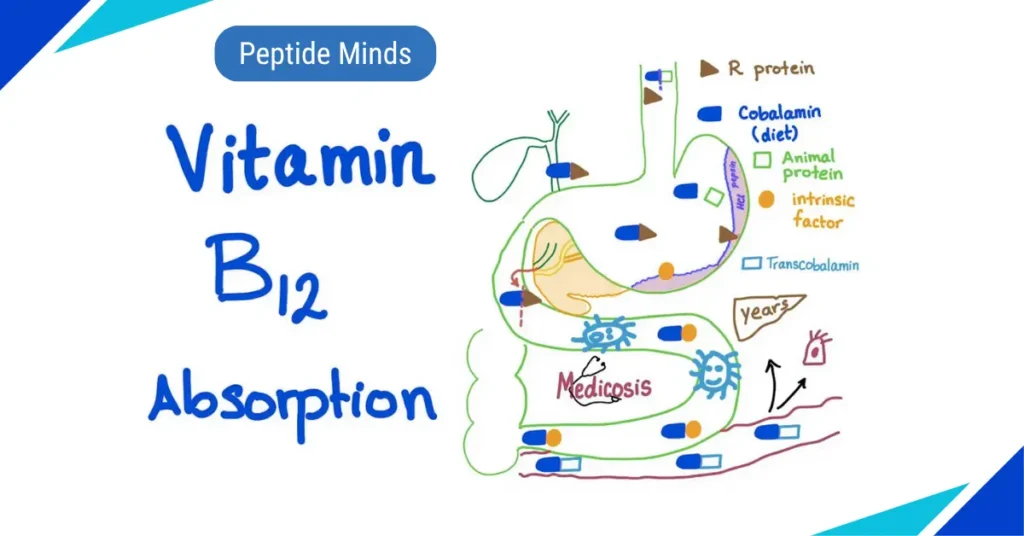
The synthesis of Vitamin B12 is complex and occurs primarily in microorganisms such as bacteria and fungi. In humans, the vitamin must be obtained through diet or supplementation since our bodies cannot produce it. The B12 standard process in the lab involves extracting and purifying Vitamin B12 from microbial sources for use in various assays and experiments..
Role of Vitamin B12 in DNA Synthesis and Cellular Division
This is indispensable for DNA synthesis and cell division. It works closely with folic acid (Vitamin B9) to facilitate the formation of new DNA strands during cell division. Specifically, Vitamin B12 is required for the methylation of homocysteine to methionine, which is vital for DNA synthesis and the regulation of gene expression.
When it comes to DNA repair, Vitamin B12 contributes to direct reversal DNA repair, a mechanism that helps reverse the damage caused by oxidative stress, thus protecting cellular integrity.
B12 and Its Role in Metabolism
In addition to its role in DNA synthesis, this is crucial in the metabolism of fats and proteins. It is involved in the conversion of certain fatty acids into energy and in the synthesis of myelin, a fatty substance that surrounds nerve fibers. This makes Vitamin B12 important for both metabolic and neurological health.
Vitamin B12 in Clinical Settings
In clinical settings, Vitamin B12 supplements are used to treat various deficiency-related conditions, such as pernicious anemia, a condition caused by an inability to absorb Vitamin. Vitamin B12 cyanocobalamin is the most commonly prescribed form of B12 for supplementation, though other forms like methylcobalamin are also used.
Deficiency in Vitamin can lead to neurological issues, cognitive impairments, and blood disorders, underscoring the importance of adequate intake. For individuals with deficiencies, B12 supplements are an essential part of treatment regimens.
Dietary Sources of Vitamin B12
For researchers investigating nutrition, understanding which foods contain Vitamin B12 is essential. Animal-based products are the primary sources, including:
- Meat (especially liver)
- Fish and shellfish
- Dairy products
- Eggs
Plant-based sources of vitamin are limited, though some fortified foods, such as Greek yogurt, can provide substantial amounts. However, for individuals following plant-based diets, Vitamin B12 supplements are often necessary to prevent deficiency.
Conclusion
This is not only essential for human health but also a key focus in scientific research, especially in cellular biology and metabolic studies. Understanding its role in DNA synthesis, repair, and metabolism provides valuable insights for doctors and researchers, allowing them to explore new treatments for B12-related deficiencies and disorders. With continued exploration of its applications, it will remain a vital component of both clinical medicine and laboratory science.
For researchers and healthcare professionals seeking premium Vitamin B12 formulations, check out the Peptide Minds shop for supplements that can enhance your clinical or lab studies.
Vitamin B12 in Scientific Research
In the laboratory, this is frequently used in studies examining cellular processes, metabolic pathways, and genetic regulation. The B12 Vitamin scientific name refers to its various forms, with cyanocobalamin and methylcobalamin being the most researched. Vitamin B12’s role in direct reversal DNA repair and cellular metabolism makes it an important subject for understanding genetic stability and health.
Frequently Asked Questions (FAQs)
References
Rizzo, G., et al. (2016). Vitamin B12: A review of its clinical relevance and physiological importance. Journal of Clinical Nutrition, 102(6), 1372-1380.
Allen, L. H. (2009). Vitamin B12 metabolism and deficiency: An update on the basics of this essential vitamin. American Journal of Clinical Nutrition, 89(3), 1-5.
McCaddon, A., et al. (2002). The role of vitamin B12 in neurodegeneration and cognitive function. American Journal of Clinical Nutrition, 77(6), 1430-1438.
Sato, A., et al. (2014). The effects of Vitamin B12 supplementation on cognitive function and neuropsychiatric symptoms. Nutrients, 6(9), 3149-3157.
Smith, A. D., et al. (2018). The role of B-vitamins in DNA methylation and human health. BMC Genomics, 19, 444.