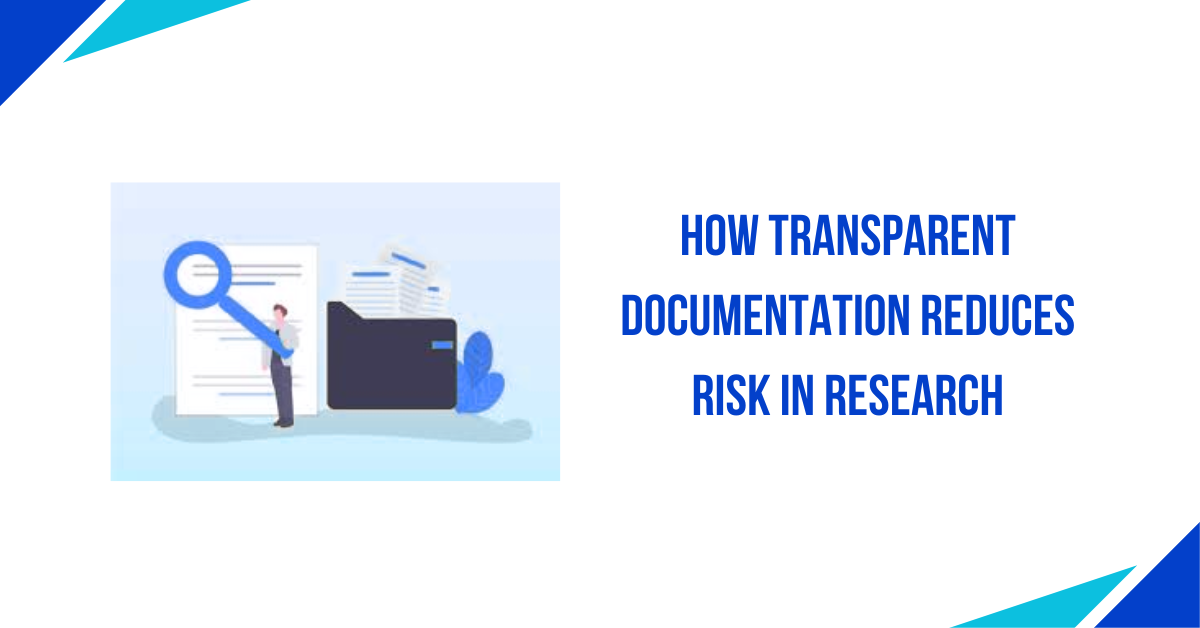
Transparency is a vital aspect of any successful research process. It directly influences the ability to track progress, ensure accuracy, and mitigate risks. In the world of research, the importance of clear, concise, and accessible documentation cannot be overstated. In this article, we’ll explore how transparent documentation can significantly reduce risks, ensuring that research projects are both efficient and reliable.
The Role of Transparency in Research
Transparency fosters trust, accountability, and clarity within research teams. When all aspects of the project are documented clearly, from initial planning to final results, any potential risks can be identified early. It also allows team members to understand their roles better, align expectations, and follow predefined processes, preventing scope creep and reducing the chance of errors. At Peptide Minds, we believe that transparent documentation and COA-backed products are essential for building trust in scientific research.

What are the benefits of transparency in research?
Transparency brings several key benefits:
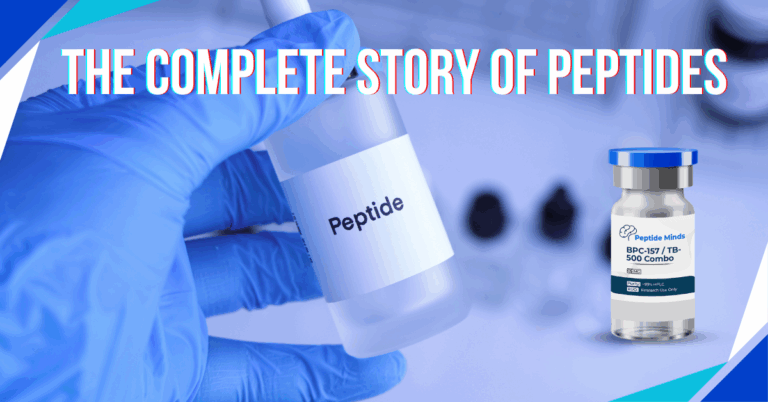
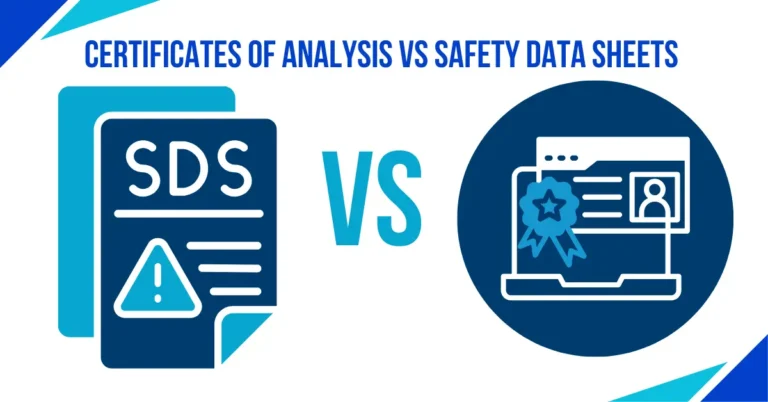
All peptides in our PeptideMinds Shop are supplied with Certificates of Analysis, ensuring researchers minimize risk with verified data.”
Scope Management Tools: Preventing Scope Creep
Scope creep refers to the gradual expansion of a project’s scope without adjustments to time, cost, and resources. Transparent documentation and scope management tools are vital in preventing this issue. Tools like PMO framework templates, sample cloud migration project plans, and detailed project scope documents help set clear boundaries for what is in-scope and out-of-scope in project management.
These tools define the expectations and keep teams focused on delivering what was originally agreed upon, preventing the project from becoming unmanageable.
Agile Practices and Documentation Transparency
Adopting agile methodologies, such as Unilever’s agile working and using sprint 0 scrum, offers significant benefits in reducing research risks. Transparent documentation in agile teams is essential for tracking progress through daily reports and identifying potential bottlenecks, such as when a project is lagging behind the schedule.
With glide path meaning and agile metrics like story points in agile, teams can adjust their approach to meet deadlines effectively. Agile frameworks ensure that issues are flagged early, and risks are reduced through iterative cycles and feedback loops.
Risk Reporting with AI and Predictive Analytics
In modern research environments, AI in HR and predictive analytics can play a crucial role in risk assessment. By using AI tools to analyze project data and generate risk assessment reports, teams can predict potential risks based on historical trends and current progress. This predictive approach helps in taking proactive measures and adjusting strategies before issues escalate.
For instance, a transition requirements example might highlight the potential risks involved in changing processes or technologies during a project. Transparent documentation, in conjunction with AI-driven tools, ensures all stakeholders are aware of the risks, allowing for better management and resolution.
Why is transparency essential in risk reporting?
Transparent risk reporting allows for:
- Proactive issue management: Ensuring that problems are addressed before they affect the project.
- Clear communication: Keeping everyone informed about potential risks.
- Informed decision-making: Stakeholders can make better choices with accurate, up-to-date data.
Managing Team Collaboration with Transparent Documentation
Effective teamwork is at the heart of successful research, and transparent documentation supports this by clarifying roles, responsibilities, and timelines. Whether it’s how to manage your team or ensuring collaboration success, transparent documentation allows team members to see progress and areas needing attention.
Tools like engagement strategies templates and daily job report formats help ensure that communication is streamlined, and no critical tasks are overlooked.
How to measure collaboration success in research?
Collaboration success is measured by:
- Clear communication: All team members should have easy access to the information they need.
- Timely completion of tasks: Team members should complete their tasks on time as per the project’s schedule.
- Effective risk management: Risk factors should be tracked and addressed as soon as they arise.
The Importance of Early Transparency
Being transparent from the beginning of a project is crucial to success. Having a clear application project manager job description, along with detailed project risk management articles, ensures that every step is documented from the start, reducing the likelihood of miscommunication. This makes it easier to maintain focus and manage risks, as everyone understands the project’s scope, limitations, and goals.
Why is it important to be transparent from the beginning when conducting research?
Transparency from the outset allows for:
- Clear expectations: All stakeholders know what to expect from the project.
- Better planning: Projects are more likely to stay on track when risks are identified early.
- Increased accountability: Transparency ensures everyone is responsible for their part of the project.
Conclusion
In conclusion, transparent documentation is a powerful tool for reducing risks in research. By using effective scope management tools, agile practices, AI-driven insights, and ensuring clear communication throughout, teams can minimize risks, avoid delays, and achieve successful research outcomes. Always prioritize transparency to create a more efficient, collaborative, and risk-free research environment.