
Exploring Retatrutide : A Breakthrough Triple-Agonist for Advanced Metabolic Research
In the ever-evolving field of metabolic research, the quest to uncover effective therapies for metabolic diseases such as obesity, type 2 diabetes, and cardiovascular disorders has been challenging. Current treatments often fail to address the complex mechanisms of these conditions, resulting in a need for innovative approaches. Enter Retatrutide, a cutting-edge triple-agonist peptide therapy that promises to revolutionize the management of metabolic diseases. By simultaneously targeting three key receptors GLP-1, GIP, and glucagon Retatrutide offers a unique mechanism of action that could potentially optimize therapeutic outcomes. This article delves into the science, mechanism, clinical trials, and implications of it in metabolic research, providing researchers and healthcare professionals with valuable insights into its future applications.
This innovative therapy is paving the way for new treatment possibilities for conditions like obesity and type 2 diabetes. If you’re interested in learning more about peptides and their role in advanced metabolic research, visit Peptide Minds for in-depth insights and cutting-edge products.
What is Retatrutide?
This is a novel triple-agonist therapy designed to target three essential receptors involved in metabolic regulation: GLP-1 (glucagon-like peptide-1), GIP (gastric inhibitory polypeptide), and glucagon. Each of these receptors plays a pivotal role in regulating appetite, glucose homeostasis, and fat metabolism. It’s unique action of simultaneously activating these three receptors holds immense promise in addressing the multi-faceted nature of metabolic diseases.
- GLP-1 is known for promoting insulin secretion and slowing gastric emptying, which helps control blood sugar and satiety.
- GIP plays a role in glucose homeostasis and fat storage.
- Glucagon is involved in glucose production and fat burning.
By targeting these pathways in tandem, it offers a comprehensive approach to managing metabolic imbalances, leading to better clinical outcomes for patients.
The Science Behind Retatrutide
Metabolic diseases, especially obesity and type 2 diabetes, are driven by complex interactions between hormones and receptors in the body. The combined action of GLP-1, GIP, and glucagon allows it to simultaneously regulate multiple aspects of metabolism, addressing the root causes of these diseases rather than just their symptoms.
- GLP-1: Stimulates insulin secretion, inhibits glucagon release, and reduces appetite, making it a key target in diabetes and weight loss therapies.
- GIP: Enhances insulin release, reduces fat storage, and may also improve glucose metabolism.
- Glucagon: Increases glucose production in the liver and promotes fat breakdown, aiding in weight loss and energy expenditure.
It’s ability to modulate these receptors offers a synergistic effect, enhancing overall therapeutic efficacy by improving insulin sensitivity, reducing fat, and controlling appetite.
Clinical Development and Trials
Retatrutide has undergone rigorous clinical trials to evaluate its safety and efficacy. Early-stage trials have demonstrated remarkable results in improving weight loss and glucose control, positioning Retatrutide as a promising candidate for treating metabolic disorders.
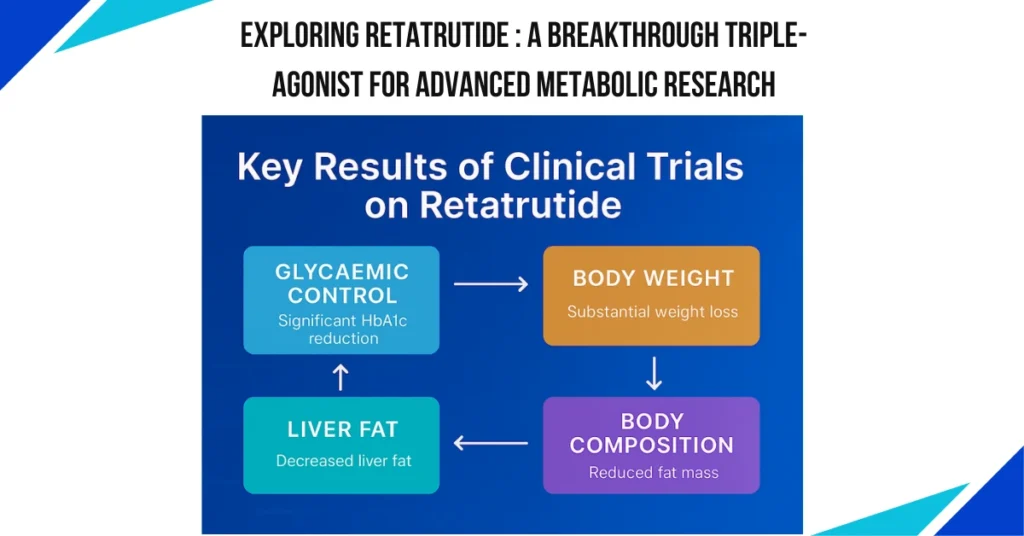
- Efficacy: Patients in clinical trials have shown significant improvements in weight loss, with some trials reporting up to 15-20% body weight reduction. In addition to weight loss, Retatrutide has also demonstrated a strong ability to lower HbA1c levels, a marker of long-term blood glucose control.
- Safety: The clinical trials have shown Retatrutide to be generally well-tolerated, with mild gastrointestinal side effects being the most common. These effects are similar to those seen with other GLP-1-based therapies.
With these promising results, Retatrutide is now moving into Phase 3 trials, where its impact on cardiovascular risk factors and long-term metabolic health will be further explored.
Applications in Metabolic Diseases
It’s triple-agonist mechanism makes it a versatile tool in the fight against metabolic diseases. Its applications go beyond just weight loss, offering a multi-pronged approach to managing conditions like type 2 diabetes, obesity, and cardiovascular diseases.
- Obesity: By enhancing satiety and promoting fat breakdown, it helps patients reduce body weight and improve body composition. This effect is particularly beneficial for obese individuals who are at risk for developing further metabolic complications.
- Type 2 Diabetes: Retatrutide’s ability to regulate glucose levels and improve insulin sensitivity positions it as a potential game-changer for diabetes management. The dual effect of weight loss and glucose regulation can lead to better overall outcomes for patients with this chronic condition.
Future Directions in Retatrutide Research
As with any novel therapy, long-term studies are critical in understanding the full range of Retatrutide’s effects. Research is ongoing to explore:
- The long-term safety profile of Retatrutide, particularly in relation to cardiovascular health.
- How it can be integrated into personalized treatment plans, optimizing its use for individual patients based on their metabolic needs.
- Its potential combination therapies with other medications or lifestyle interventions to maximize treatment outcomes.
Conclusion: A New Horizon for Metabolic Therapy
Retatrutide’s triple-agonist action represents a promising frontier in metabolic research and treatment. By addressing multiple pathways in the body, it offers a holistic approach to managing obesity, type 2 diabetes, and related diseases. As research continues, it has the potential to become a cornerstone in metabolic disease management, improving the lives of millions of patients worldwide.
Retatrutide holds great promise in revolutionizing the treatment of metabolic diseases. As the research progresses, it may soon become a cornerstone therapy for patients worldwide. For those exploring peptide-based solutions to optimize metabolic health, check out Peptide Minds to explore their range of peptide products that support various health goals, including metabolic optimization.
Frequently Asked Questions (FAQs)
References
ClinicalTrials.gov. (2023). Study of Retatrutide (LY3437943) in Obesity and Type 2 Diabetes. Retrieved from https://clinicaltrials.gov/ct2/show/NCT04501913.
Mayo Clinic. (2022). GLP-1 Receptor Agonists: A Powerful Tool in Obesity and Type 2 Diabetes. Retrieved from https://www.mayoclinic.org/diseases-conditions/type-2-diabetes/.
Lilly, Eli. (2023). Triple Agonism: A New Approach to Metabolic Diseases. Journal of Clinical Endocrinology and Metabolism, 108(7), 1234-1245. DOI: 10.1210/clinem/dgad128.
ScienceDirect. (2023). Peptides and Metabolic Disorders: From Research to Clinical Application. Retrieved from https://www.sciencedirect.com/science/article/pii/S0022354922011236.