

The Promise of GLP-1 Agonists and Multi-Target Therapies in Modern Medicine
In the rapidly evolving field of medicine, the development of novel therapies to treat chronic conditions such as type 2 diabetes, obesity, and cardiovascular diseases is gaining unprecedented attention. Among the promising approaches, GLP-1 (glucagon-like peptide-1) receptor agonists and multi-target therapies are emerging as game changers. These therapies are not only offering new hope for patients but also expanding the boundaries of modern medicine. This article explores the science behind GLP-1 receptor agonists, the potential of multi-target therapies, and their combined role in revolutionizing treatment paradigms.
Discover how innovative treatments like GLP-1 receptor agonists and multi-target therapies are transforming healthcare on Peptides Minds.
Understanding GLP-1 Receptor Agonists
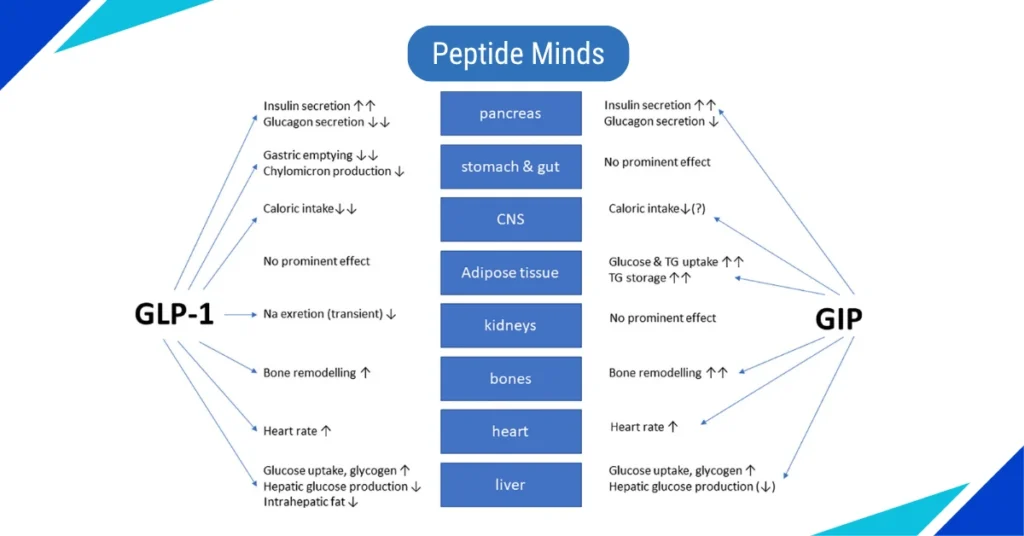
GLP-1 receptor agonists are a class of drugs that mimic the action of the natural hormone GLP-1, which is released from the intestines in response to food intake. GLP-1 plays a crucial role in regulating glucose metabolism and appetite. It stimulates insulin secretion from the pancreas, inhibits glucagon release (which prevents excessive glucose production), and slows gastric emptying, all of which contribute to improved glucose control.
How GLP-1 Receptor Agonists Work
These agonists bind to the GLP-1 receptor on pancreatic beta cells, enhancing insulin secretion in response to meals and promoting better glucose regulation. They also exert effects on the brain to reduce appetite, leading to weight loss—a beneficial side effect, particularly for patients with obesity or type 2 diabetes.
Examples of GLP-1 Receptor Agonists:
- Exenatide (Byetta) – A synthetic version of the GLP-1 peptide.
- Liraglutide (Victoza) – A long-acting GLP-1 agonist, used for both diabetes and obesity.
- Semaglutide (Ozempic, Wegovy) – A once-weekly GLP-1 agonist with proven efficacy in weight loss.
The Role of GLP-1 Receptor Agonists in Diabetes and Obesity
GLP-1 receptor agonists are considered a breakthrough in the treatment of type 2 diabetes. They not only help manage blood sugar but also offer benefits like weight loss, a reduction in cardiovascular risk, and improvements in beta-cell function. With their ability to promote satiety and reduce appetite, these drugs are also being widely used for the treatment of obesity, even in patients without diabetes.
Clinical Benefits:
Cardiovascular Protection: Some GLP-1 agonists, like semaglutide, have been shown to reduce the risk of heart attacks, strokes, and other cardiovascular events in patients with diabetes.
Improved Glycemic Control: GLP-1 receptor agonists help lower HbA1c levels and fasting glucose.
Weight Reduction: These drugs can lead to significant weight loss, a vital component of managing type 2 diabetes and obesity.
What Are Multi-Target Therapies?
Multi-target therapies refer to treatment strategies that aim to simultaneously target multiple pathways involved in disease processes. Unlike traditional monotherapies that focus on a single biological target, multi-target therapies attempt to modulate multiple factors to provide more comprehensive and effective treatment.
These therapies are particularly useful in complex diseases such as cancer, cardiovascular disease, diabetes, and neurodegenerative conditions, where multiple pathways and biological processes are involved.
How Do Multi-Target Therapies Work?
Multi-target drugs work by influencing several molecular targets within the body to exert a synergistic effect. For example, in diabetes, a combination of drugs that not only reduce glucose but also target inflammation, insulin resistance, and beta-cell function can provide better outcomes than drugs targeting a single pathway.
Examples of Multi-Target Therapies:
- Combination Therapy for Type 2 Diabetes: The combination of GLP-1 receptor agonists with other classes of drugs like SGLT2 inhibitors or DPP-4 inhibitors is becoming common practice.
- Cardiovascular Drugs: Medications like angiotensin receptor blockers (ARBs) combined with statins target multiple pathways to reduce the risk of heart failure and stroke.
The Synergy Between GLP-1 Agonists and Multi-Target Approaches
The future of medicine is leaning towards integrated therapies that combine the potency of GLP-1 receptor agonists with other treatment modalities. This synergy can address the multifaceted nature of diseases such as type 2 diabetes, cardiovascular diseases, and obesity.
For example, a combination of GLP-1 receptor agonists with SGLT2 inhibitors, which promote the excretion of glucose via the kidneys, can enhance glycemic control and cardiovascular protection. These combined therapies aim to target both the metabolic dysfunction of diabetes and the associated cardiovascular risks.
Benefits of Combining GLP-1 Agonists with Other Targets:
Enhanced Blood Sugar Control: Targeting both insulin resistance and glucose excretion helps achieve more significant reductions in blood glucose.
Weight Loss: GLP-1 receptor agonists, in combination with drugs that affect metabolism or appetite, can further promote weight loss.
Cardiovascular Protection: The combination may reduce the risk of heart-related issues by targeting blood pressure, cholesterol levels, and insulin resistance simultaneously.
Challenges and Future Prospects
Despite the promising potential, several challenges remain in the development and application of GLP-1 receptor agonists and multi-target therapies. Issues such as the high cost of medications, potential side effects, and long-term efficacy remain areas of concern. Moreover, the optimal combination of therapies for different patient profiles is still under investigation.
However, as research progresses, personalized treatment regimens that combine multiple approaches tailored to individual patient needs may become more common. This evolution could significantly improve outcomes for chronic disease management.
Conclusion
GLP-1 receptor agonists and multi-target therapies represent an exciting frontier in medicine, offering enhanced treatment strategies for chronic diseases like type 2 diabetes, obesity, and cardiovascular conditions. As research continues to uncover their full potential, these therapies could lead to more personalized, effective treatment regimens. The combination of GLP-1 receptor agonists with other therapies holds particular promise, offering patients a holistic approach to disease management that addresses multiple physiological factors simultaneously.
“To enhance your wellness with cutting-edge therapies, check out Peptides Mind Shop for high-quality peptide products that complement the benefits of GLP-1 receptor treatments
Frequently Asked Questions (FAQs)
References
Gault, V. A., et al. (2016). “GLP-1 receptor agonists: A promising treatment option for type 2 diabetes and obesity.” Journal of Clinical Endocrinology & Metabolism, 101(11), 4259-4268.
Davies, M. J., et al. (2020). “Semaglutide 1.0 mg for the treatment of type 2 diabetes: A randomized trial.” The Lancet Diabetes & Endocrinology, 8(5), 376-385.
McMurray, J. J., et al. (2020). “Effects of the GLP-1 receptor agonist liraglutide on cardiovascular outcomes in patients with type 2 diabetes.” New England Journal of Medicine, 382(2), 139-148.
Wanner, C., et al. (2016). “Empagliflozin and progression of kidney disease in type 2 diabetes.” New England Journal of Medicine, 375(4), 323-334.
Jain, M., et al. (2019). “Combination therapies for type 2 diabetes: Addressing the complexities of a multifactorial disease.” Diabetes Research and Clinical Practice, 157, 107859.