🎊 New Year Special! ✨ Get 50% OFF Your Order — Use Code NEWYEAR50 at Checkout 🎉
✦ ✦ ✦
🎊 New Year Special! ✨ Get 50% OFF Your Order — Use Code NEWYEAR50 at Checkout 🎉
✦ ✦ ✦
🎊 New Year Special! ✨ Get 50% OFF Your Order — Use Code NEWYEAR50 at Checkout 🎉
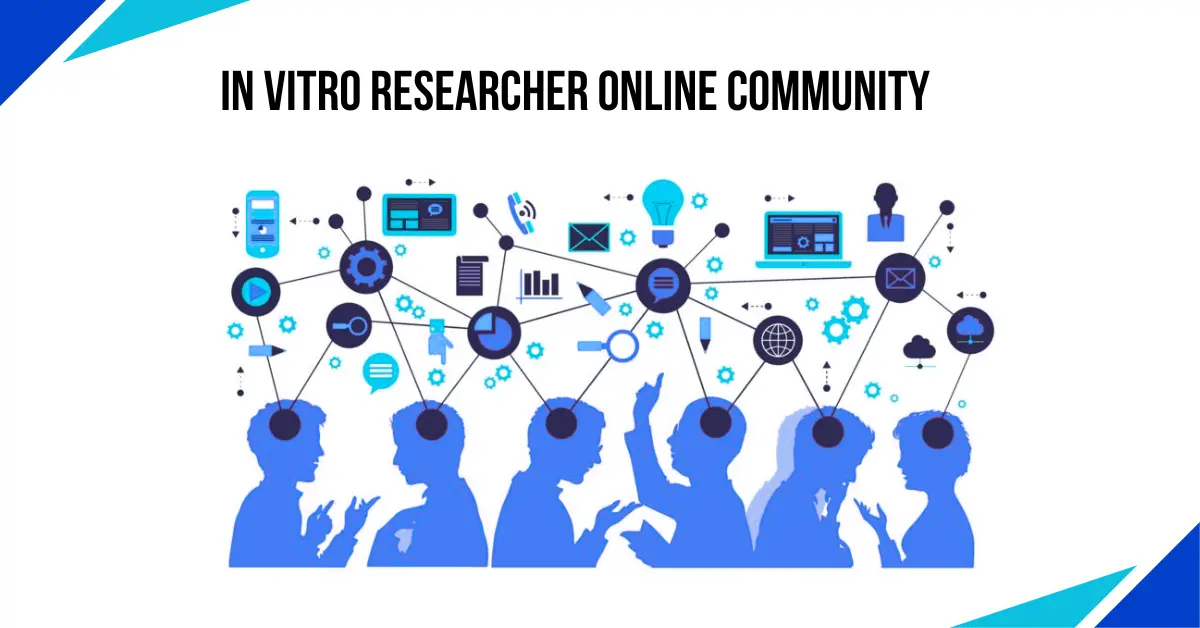
For building online community of In-Vitro Researchers in the world of scientific research, collaboration and knowledge sharing are essential for progress. For in-vitro researchers, building a supportive and engaging online community can facilitate communication, foster innovation, and share critical findings. But how do you create an online space that benefits everyone involved?
Let’s Build In-Vitro Researchers
Let’s explore some strategies, tools, and best practices that will help you build a thriving online community for in-vitro researchers. Also visit the site for peptides products.
1. Understanding the Need for an Online Community
The research community benefits greatly from open, continuous interaction. For in-vitro researchers, an online community provides a platform to discuss methodologies, share experimental results, ask for advice, and stay up-to-date with the latest advancements. These communities are vital for encouraging peer collaboration and promoting knowledge sharing, thus improving overall research quality and innovation.
2. How to Develop an Online Community for In-Vitro Researchers?
Building an online community requires a clear strategy and understanding of your target audience. Here are the steps to successfully develop an online community for in-vitro researchers:
Choose the Right Platform: Decide where your community will thrive. Popular options include Slack, Reddit, or Discord for live discussions. For more formal exchanges, LinkedIn groups or a dedicated forum might be ideal.
Define the Purpose: Be clear about the goals of your community. It could be a space for knowledge sharing, problem-solving, or a collaborative environment for in-vitro research projects.
Create a Welcoming Environment: Ensure that the platform is accessible and open to both new and experienced researchers. Provide helpful guides, onboarding materials, and clear community guidelines to promote inclusivity.
Regular Engagement: Encourage active participation through regular content posts, discussions, and knowledge-sharing events such as webinars or Q&A sessions.
Provide Valuable Resources: Share valuable research tools, articles, and case studies to keep the community informed and engaged.
3. How to Build a Research Community?
Promote Open Communication: Foster a space where researchers can easily share ideas, collaborate, and offer advice. This will help the community members feel comfortable and valued.
Encourage Networking: Encourage researchers to connect, form collaborations, and share opportunities for joint studies or projects.
Use Collaborative Tools: Leverage collaboration tools like Google Drive, Trello, or Miro for sharing documents, creating timelines, and tracking project progress.
Host Virtual Events: Organize online seminars or research discussions to help researchers connect on a deeper level and learn from each other’s experiences.
Recognition and Rewards: Recognize active participants and contributors by showcasing their work or offering small rewards. This can help increase participation and enthusiasm.
4. What is an Online Community in Market Research?
An online community in market research refers to a digital space where individuals with a shared interest in a specific field (like in-vitro research) come together to exchange ideas, resources, and findings. These communities facilitate peer-to-peer communication and collaborative problem-solving, allowing researchers to gain insights from others and move research forward more effectively.
5. Is a Virtual Community Also Called an Online Community?
Yes, virtual communities and online communities are terms often used interchangeably. Both refer to digital spaces where members interact, share resources, ask questions, and collaborate. The only difference might be that “virtual” often emphasizes the use of avatars or online events, but both serve similar purposes in terms of engagement and information exchange.
6. Tools and Platforms for Building an Online Community
Slack: Great for quick, informal conversations and creating specific channels for different research topics.
Reddit: A popular platform for fostering discussions, answering questions, and sharing interesting research articles.
Discord: Ideal for live voice and text discussions, along with the ability to host real-time events like webinars.
LinkedIn Groups: Best for a professional and academic atmosphere, perfect for networking with other researchers in the field.
Forums: A more traditional approach to building an online community where users can create threads, ask questions, and share insights.
FAQs
To develop an online community, choose the right platform, define the community’s purpose, engage regularly with members, and provide valuable resources. Create a welcoming atmosphere and establish clear community guidelines to ensure participation and collaboration.
Building a research community involves fostering open communication, encouraging networking, hosting virtual events, and using collaborative tools for document sharing and project management. Recognition for active participation can also increase engagement.
An online community in market research is a digital platform where researchers or professionals with similar interests can collaborate, share insights, and access resources that advance their field of study or work.
Yes, a virtual community is often used synonymously with an online community. Both refer to digital spaces where individuals engage in discussions, share resources, and collaborate on various topics related to their shared interests or research.
Neoantigen peptide cancer vaccines have emerged as a promising and innovative approach in personalized cancer immunotherapy. These vaccines aim to target unique antigens presented by tumor cells, stimulating the immune system to recognize and attack cancer. The concept of using neoantigens mutated proteins found only in cancer cells has revolutionized the approach to cancer treatment,…
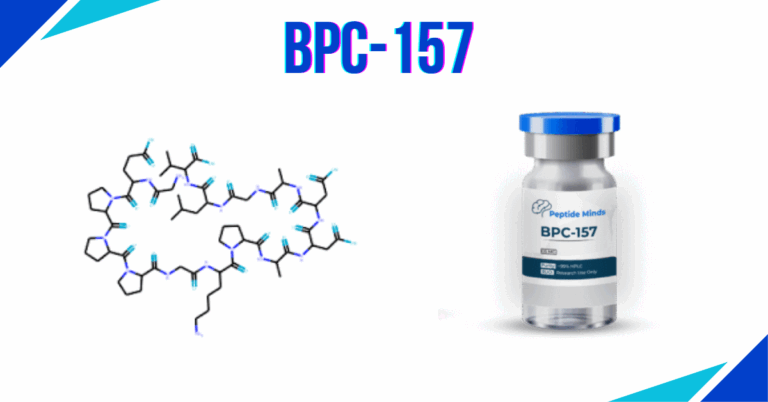
BPC-157 (Body Protection Compound-157) is a synthetic peptide derived from a protein found in gastric juice. It has gained attention in research and among athletes/biohackers because of its potential healing and regenerative effects. Are you a researcher or healthcare professional seeking cutting-edge solutions for accelerated healing and tissue regeneration? Let’s dive deep into the mechanism…
In scientific research and healthcare, the quality and type of materials used play a crucial role in ensuring accurate results and patient safety. When it comes to research, development, and medical treatments, lab-grade and clinical-grade materials are two terms that often arise, but their meanings are frequently misunderstood. Understanding the difference between these two types…
COA vs SDS is a common comparison researchers make when understanding product quality and laboratory safety documentation. In the realm of scientific research, pharmaceuticals, and chemical industries, professionals like doctors, researchers, and laboratory technicians rely on two crucial documents Certificates of Analysis (COA) and Safety Data Sheets (SDS). These documents play vital roles in ensuring…
Counter-ions play a crucial yet often overlooked role in peptide research, influencing everything from solubility to biological activity. Imagine you’re working with a synthetic peptide in the lab say a hormone‑like molecule, an antimicrobial peptide, or a targeted therapeutic. You treat it like the “active component” of your experiment, but there’s an often‑ignored partner lurking…
In the ever-evolving world of peptide-based drugs, ensuring that these therapeutics meet rigorous standards is crucial. One of the key regulatory frameworks that govern the production of these peptides is cGMP (current Good Manufacturing Practice). This set of regulations helps ensure that the peptides used in drug development and therapy are of the highest quality…
Premium research-grade peptides for laboratory use only. Third-party tested. GMP-compliant manufacturing. Strictly for in vitro research and analytical applications.
All products on this site are sold only as research chemicals. Products are offered for in vitro research, laboratory testing & analytical purposes only. Products are not to be used in any human or animal application.
Peptide Minds is a chemical supplier. Peptide Minds is not a compounding pharmacy or chemical compounding facility as defined under 503A of the Federal Food, Drug, and Cosmetic act. Peptide Minds is not an outsourcing facility as defined under 503B of the Federal Food, Drug, and Cosmetic act.
The statements made within this website have not been evaluated by the US Food and Drug Administration. The statements and the products of this company are not intended to diagnose, treat, cure or prevent any disease.
AGE & USE POLICY
Access to this site and its products is restricted to individuals 21 years of age and older.
All products sold are intended for in-vitro research purposes only and are not for human or animal consumption.