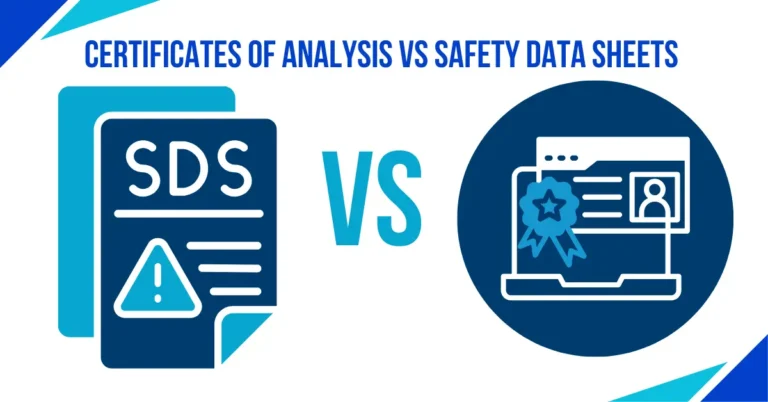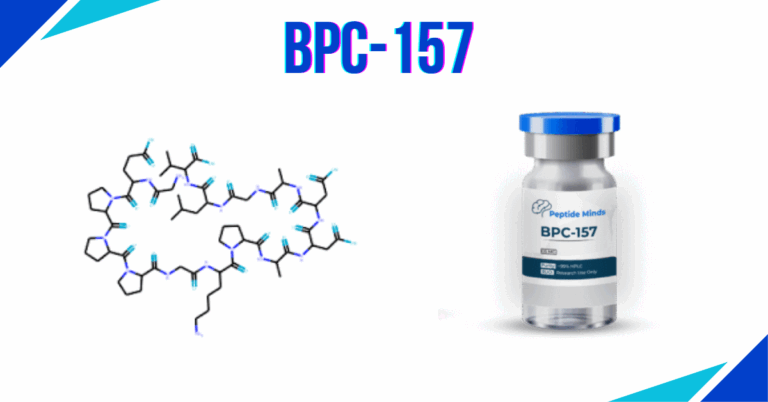

A Certificate of Analysis (COA) is more than just a piece of paper, it’s a critical assurance of product quality, safety, and compliance. In this article, we will first explain what a COA actually means and why it holds legal and practical importance. Then, we’ll discuss why laboratories need this document, highlighting its role in verifying quality, regulatory compliance, transparency, and traceability. After that, we will walk through a detailed example of a COA, its standard format, and a sample template to show how it looks in practice.

What is COA?
A Certificate of Analysis (COA) is a vital document issued by a laboratory to confirm that a product has been tested and meets the necessary quality standards. This document includes the results of various tests conducted on a product, such as its composition, purity, and quality. These certificates are commonly used in industries like pharmaceuticals, food, chemicals, and cosmetics to ensure that the products are safe and compliant with regulatory standards.
Meaning of COA
The term COA stands for Certificate of Analysis. It’s a legal and formal statement that provides an analysis of the product’s specifications, conducted by a certified laboratory. The certificate confirms that the product has undergone a series of quality control tests and meets all the required standards for its intended use. At Peptide Minds, every product in our Peptide Shop is backed by a Certificate of Analysis, ensuring customers receive only pure and verified peptides.”
Why Labs Need It
For laboratories, this document is crucial for ensuring product compliance and transparency. Here are the main reasons why labs require such certification:
Certificate of Analysis Example
A Certificate of Analysis example may include the following components:
To see how this applies in real life, you can view the COAs for peptides like TB-500 and Selank available in our store.
Certificate of Analysis Format & Template
The certificate format typically follows a standard structure that includes essential details such as the product’s specifications, test results, and testing methodology. Here is a basic template:
At Peptide Minds, we follow this standardized COA format for all our peptide products. Explore our full range of quality-tested peptides to see how COAs ensure transparency and trust.
Sample Certificate of Analysis?
A sample certificate might look like this:
- Purity: 98%
- Identification: Pass
- Impurities: < 0.1%
Define Certificate of Analysis
a Certificate of Analysis is an essential document for ensuring the quality, safety, and compliance of products across various industries. It not only supports laboratories in their regulatory duties but also fosters trust and transparency with clients. Understanding what it is and why labs need it is crucial for anyone in the healthcare, pharmaceutical, or manufacturing industries.