
Innovative Biomedical Applications of Synthetic Peptides: A Comprehensive Overview
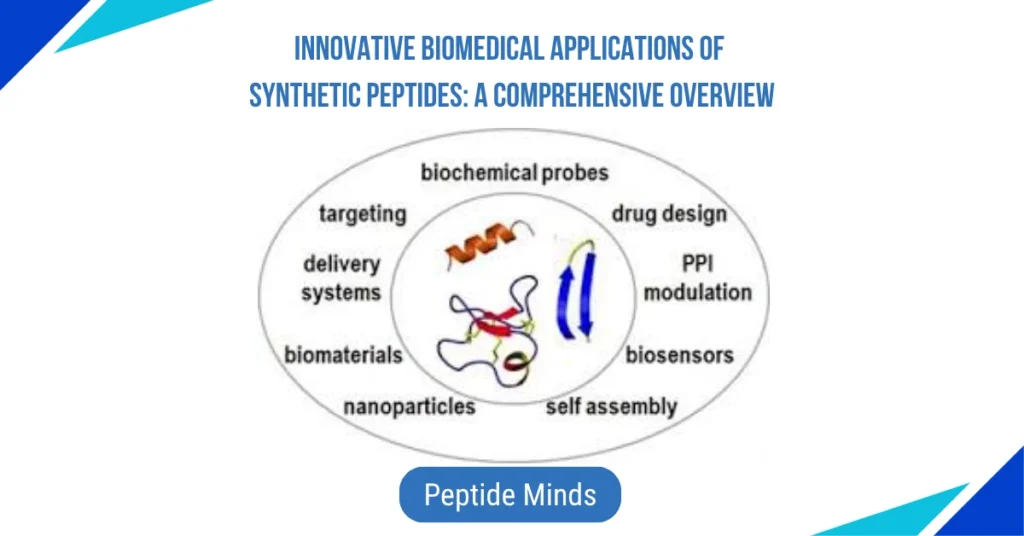
Synthetic peptides have become pivotal in advancing biomedical research and therapeutic strategies. Their versatility allows for targeted interventions in various medical fields. This article explores three groundbreaking applications of synthetic peptides:
- Inducing Targeted Protein Aggregation for Therapeutic Purposes
- Designing Self-Assembling Peptide Hydrogels for Tissue Engineering
- Developing Photoactivatable Peptides for Controlled Drug Delivery
Each section delves into the mechanisms, benefits, and potential of these applications, providing insights for researchers and clinicians.
Inducing Targeted Protein Aggregation for Therapeutic Purposes
In neurodegenerative diseases like Alzheimer’s and Parkinson’s, the accumulation of misfolded proteins leads to cellular dysfunction. Synthetic peptides can be designed to mimic aggregation-prone regions of target proteins, promoting their aggregation and subsequent degradation. This approach offers a novel method to selectively eliminate pathogenic proteins without affecting healthy cellular components.
Designing Self-Assembling Peptide Hydrogels for Tissue Engineering
Self-assembling peptide hydrogels are gaining traction in tissue engineering due to their biocompatibility and ability to mimic the extracellular matrix. These hydrogels can encapsulate cells and growth factors, providing a conducive environment for tissue regeneration. By tuning the peptide sequences and environmental conditions, researchers can create scaffolds that promote specific cellular behaviors, such as differentiation and proliferation.
Developing Photoactivatable Peptides for Controlled Drug Delivery
Photoactivatable peptides incorporate light-sensitive elements, allowing for the precise control of their biological activity. Upon exposure to specific wavelengths of light, these peptides undergo conformational changes that can activate or deactivate their function. This feature is particularly useful in targeted drug delivery systems, where spatial and temporal control is paramount.
Nanoparticle Tumor-homing Peptides
| Tumor-Homing Peptide | Sequence | Target | Cancer Type |
|---|---|---|---|
| RGD4C | ACDCRGDGCF(CG) | Integrin αvβ3 | Melanoma, colon tumor, ovarian tumor, glioblastoma |
| iRGD | CRGDR/KGPD | Integrin αvβ3 | Glioblastoma, melanoma |
| LyP-1 | CGQKTRTGC | P32 | Melanoma |
| K237 | HTMYYHHYQHHL | VEGFR-2 | Breast tumor |
| IL4Rep-1 | CRKRLDNRC | IL4R | Lung tumor, breast tumor, colon tumor |
| mUNO | CSPGAK | CD206 | Breast tumor |
PeptideMinds: Advancing Peptide Research
For researchers and clinicians interested in exploring synthetic peptides for their projects, PeptideMinds offers a range of products tailored to various biomedical applications. Their offerings include custom peptide synthesis services and peptide-based reagents designed to facilitate cutting-edge research.
Conclusion
Synthetic peptides have emerged as a transformative tool in the field of biomedical research, offering innovative applications that can potentially revolutionize therapeutic strategies. Whether it’s inducing targeted protein aggregation for disease treatment, designing self-assembling hydrogels for tissue engineering, or creating photoactivatable peptides for controlled drug delivery, the versatility and specificity of synthetic peptides provide researchers with powerful tools to target complex biological processes. The continued development of synthetic peptides will likely lead to more effective therapies, enhancing the precision and efficacy of medical treatments. For researchers and clinicians interested in exploring the benefits of synthetic peptides further, platforms like PeptideMinds provide tailored solutions and a variety of peptide products to advance scientific inquiry.
Frequently Asked Questions (FAQs)
You can explore a variety of peptide products and custom synthesis services offered by platforms like PeptideMinds. These platforms provide tailored solutions for biomedical research, ensuring that you have access to high-quality peptides for your projects.
References
Doti, N. et al. (2024). Synthetic Peptides and Peptidomimetics: From Basic Science to Biomedical Applications. PMC. PMC
Shabani, S. et al. (2024). Synthetic peptide branched polymers for antibacterial and biomedical applications. Nature. Nature
Wang, Y. et al. (2024). Photoactivated peptide. Wikipedia. Wikipedia