
Harnessing Synthetic Peptides to Combat Beta-Lactamase-Mediated Antibiotic Resistance
Beta-Lactamase-Mediated bacterial resistance to antibiotics has become a growing global health concern, significantly impacting the effectiveness of several front-line therapies, including beta-lactam antibiotics. Beta-lactamase enzymes, produced by resistant bacteria, are one of the main culprits responsible for this resistance, rendering antibiotics like penicillin and cephalosporins ineffective. As the traditional antibiotics fail, researchers are racing against time to develop novel strategies to bypass these resistances.
A promising new approach involves the use of synthetic peptides designed to target and neutralize beta-lactamases. In this article, we will explore the mechanisms behind beta-lactamase resistance, the role of synthetic peptides in combating this issue, and how these peptides improve the performance of existing antibiotics. The article will also discuss the potential of this strategy to tackle multi-drug resistant (MDR) bacterial strains, its clinical implications, and future perspectives in antibiotic therapy.
For those interested in exploring innovative peptide-based solutions, Peptide Minds offers a wide range of products designed to support research and development in peptide therapies. Visit the Peptide Minds for more details on their high-quality peptide products, which are crafted to meet the needs of researchers and professionals in the field.
Understanding Beta-Lactamases and Their Role in Antibiotic Resistance
Beta-lactamases are enzymes that break down the beta-lactam ring structure, rendering antibiotics ineffective. These enzymes are produced by various pathogenic bacteria, including Escherichia coli, Klebsiella pneumoniae, and Staphylococcus aureus. Beta-lactamases have evolved rapidly in response to the widespread use of beta-lactam antibiotics. The resistance they confer is one of the leading causes of hospital-acquired infections (HAIs), which often result in high morbidity and mortality.
In recent years, Extended-Spectrum Beta-Lactamases (ESBLs) and Carbapenemases have emerged, making infections even more difficult to treat. This ongoing arms race between bacteria and antibiotics highlights the urgent need for new therapeutic interventions.
Synthetic Peptides: A Promising Strategy Against Beta-Lactamase Resistance
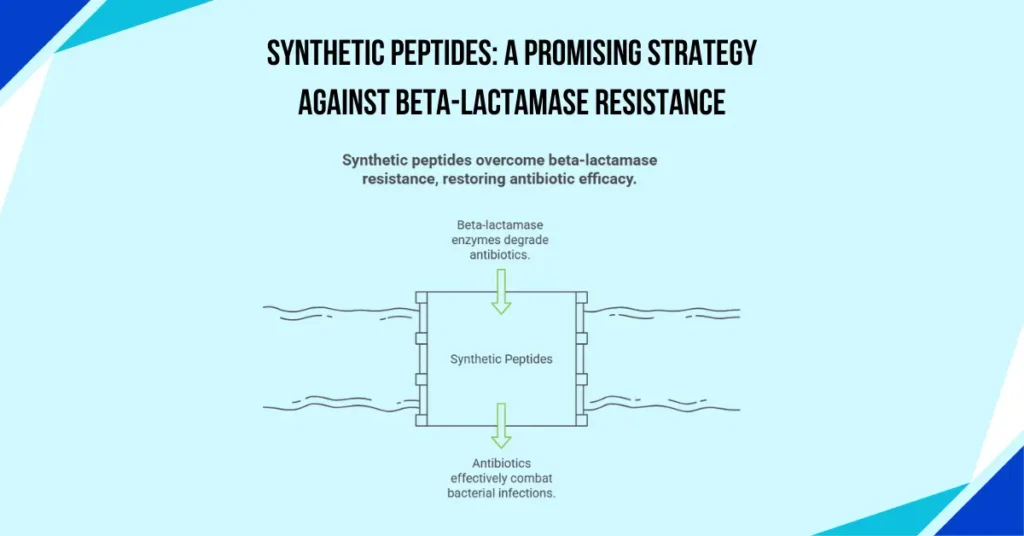
The development of synthetic peptides offers a novel mechanism to combat antibiotic resistance. These peptides are short chains of amino acids that can be designed to target specific bacterial enzymes, including beta-lactamases. By inhibiting the activity of these enzymes, synthetic peptides can restore the efficacy of beta-lactam antibiotics.
Synthetic peptides can work in several ways:
Targeting Multiple Resistance Mechanisms: Some synthetic peptides are designed to target multiple bacterial resistance mechanisms, providing a broader approach to fighting infections.
Direct Binding: Peptides can bind directly to the beta-lactamase enzymes, preventing them from breaking down antibiotics.
Peptide-Mediated Synergy: When used in combination with traditional antibiotics, peptides can increase the potency of the antibiotics, potentially reducing the dosage needed and minimizing side effects.
Beta-Lactamase-Mediated: Improving Antibiotic Performance with Peptide-Driven Synergy
When combined with beta-lactam antibiotics, synthetic peptides have shown promising results in improving the performance of these drugs against resistant strains. The mechanism of synergy occurs because the peptide inhibits the enzyme’s function, enabling the beta-lactam antibiotics to retain their antibacterial activity.
This strategy has shown particular success in overcoming resistance in multi-drug resistant strains. In clinical settings, the combination of synthetic peptides with antibiotics like amoxicillin or meropenem has demonstrated enhanced bactericidal effects, offering a potential solution to infections caused by ESBL-producing and carbapenem-resistant bacteria.
Clinical Implications and Potential for Future Use
The use of synthetic peptides in clinical settings holds significant promise. By improving the efficacy of existing antibiotics, this approach can offer a valuable addition to the limited arsenal of antibiotics available for treating resistant infections. Furthermore, these peptides are relatively easy to synthesize and can be tailored to target specific bacterial strains, providing a flexible and cost-effective solution to the problem of antibiotic resistance.
Research into peptide-based therapies is still in its early stages, but preliminary studies have shown that synthetic peptides can reduce the dosage and toxicity of traditional antibiotics, providing a safer and more effective treatment option for patients.
Challenges and Future Directions
While the potential of synthetic peptides is clear, several challenges remain. The development of peptides that can effectively target a wide range of beta-lactamases without causing resistance in bacteria is a key challenge. Moreover, the long-term safety and efficacy of these peptides need to be further investigated in clinical trials before they can be widely adopted.
Research into improving the stability, delivery, and specificity of these peptides is ongoing. Future studies may also explore the use of peptides in combination with other therapeutic modalities, such as vaccines or phage therapy, to create a multi-pronged approach to combating antibiotic resistance.
Conclusion of Beta-Lactamase-Mediated
The emergence of synthetic peptides as a strategy to combat beta-lactamase-mediated resistance offers a glimmer of hope in the battle against antibiotic-resistant infections. By targeting and neutralizing the beta-lactamases responsible for antibiotic breakdown, these peptides can potentially restore the effectiveness of existing antibiotics, providing a much-needed solution to multi-drug resistance. However, further research is required to overcome the challenges associated with their development and clinical application. For those looking to explore peptide-based solutions, visit the Peptide Minds shop for a range of products designed to support cutting-edge research in this field.
Frequently Asked Questions (FAQs) about Beta-Lactamase-Mediated
References
Walsh, C., & Wencewicz, T. A. (2016). “Towards the development of novel beta-lactamase inhibitors.” Nature Reviews Microbiology, 14(7), 383-398.
Poole, K. (2017). “Beta-lactamases and the response of Pseudomonas aeruginosa to beta-lactam antibiotics.” Journal of Antimicrobial Chemotherapy, 72(2), 279-285.
Kotra, L. P., & Hadad, D. J. (2019). “Peptide inhibitors of beta-lactamase enzymes.” Frontiers in Microbiology, 10, 1015.
Fisher, N., & Møller, J. (2020). “Innovative peptide-based strategies for overcoming bacterial resistance.” Journal of Antimicrobial Chemotherapy, 75(5), 1071-1077.