
Personalized T Cell Immunotherapies in Brain Cancer: The Role of Neoantigen Peptides
Brain cancers, particularly glioblastoma (GBM), present formidable challenges in oncology due to their aggressive nature, complex tumor microenvironment, and limited response to conventional therapies. Despite advancements in surgery, radiation, and chemotherapy, patient prognosis remains poor, underscoring the urgent need for innovative treatments. One promising approach is the development of personalized T cell immunotherapies targeting neoantigen peptides—unique tumor-specific antigens arising from somatic mutations. These neoantigens serve as precise targets for tailored immunotherapies, offering the potential to enhance immune system recognition and eradication of tumor cells.
At PeptideMinds, we are committed to advancing personalized medicine through cutting-edge peptide-based therapies. By focusing on neoantigen peptides, we aim to help researchers and clinicians unlock new possibilities for precision treatment strategies in brain cancer, leveraging the power of the immune system to target tumors more effectively.
Understanding Neoantigens Peptides and Their Role in Immunotherapy
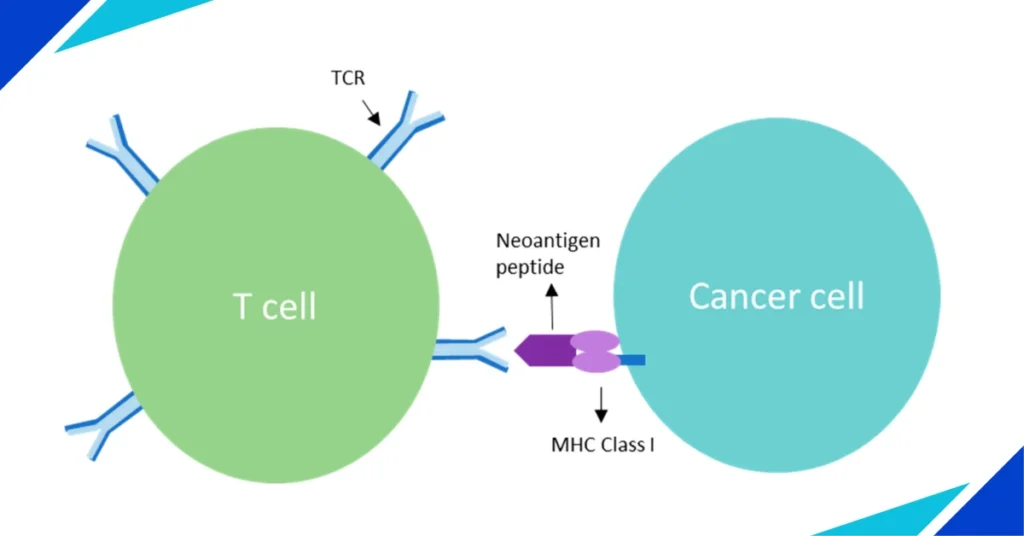
Neoantigens are peptides derived from tumor-specific mutations, absent in normal tissues, and presented on the surface of tumor cells by major histocompatibility complex (MHC) molecules. Their unique presence makes them ideal targets for immune recognition. Personalized immunotherapies aim to harness these neoantigens to stimulate a robust anti-tumor immune response. Strategies include:
- Neoantigen Peptides Vaccines: Synthetic peptides corresponding to tumor-specific mutations are administered to patients to elicit an immune response.
- Adoptive T Cell Therapies: T cells are engineered or expanded ex vivo to recognize and attack tumor cells expressing specific neoantigens.
These approaches have shown promise in preclinical and clinical settings, demonstrating the feasibility of targeting neoantigens for brain cancer treatment.
Clinical Applications and Trials of Neoantigen Peptides
Several clinical trials have investigated the efficacy of neoantigen-based therapies in brain cancer:
- Rindopepimut (CDX-110): A vaccine targeting the EGFRvIII mutation in GBM patients showed initial promise but failed to meet overall survival endpoints in later-stage trials.
- Personalized Neoantigen Peptide Vaccines: Trials combining personalized peptide vaccines with immune checkpoint inhibitors like pembrolizumab have been conducted, demonstrating safety and immunogenicity in patients with advanced solid tumors.
- Combination Therapies: Integrating neoantigen vaccines with radiotherapy and checkpoint inhibitors has been explored to enhance immune responses and overcome tumor-induced immunosuppression.
These studies highlight the potential of personalized neoantigen-based therapies in treating brain cancers, though challenges remain in optimizing efficacy and patient selection.
Challenges and Future Directions of Neoantigen Peptides
Despite encouraging results, several challenges persist in the development of neoantigen-targeted therapies:
- Identification of Neoantigens: Accurate prediction and identification of tumor-specific neoantigens require advanced sequencing technologies and bioinformatics tools.
- Tumor Heterogeneity: Variability in neoantigen expression among tumor cells can lead to incomplete targeting and immune escape.
- Immune Evasion Mechanisms: Tumors may downregulate MHC molecules or employ other strategies to evade immune detection.
Future research is focused on overcoming these obstacles through:
Personalized Treatment Plans: Tailoring therapies based on individual tumor profiles to maximize efficacy.
Enhanced Sequencing and Computational Tools: Developing more accurate methods for neoantigen discovery and prediction.
Combination Therapies: Exploring synergistic approaches that combine neoantigen vaccines with other modalities like CAR-T cell therapy and immune checkpoint inhibitors.
Conclusion for Neoantigen Peptides
The integration of neoantigen peptides into personalized T cell immunotherapies represents a promising frontier in the treatment of brain cancers. While challenges remain, ongoing research and clinical trials continue to refine these strategies, bringing hope for more effective and individualized treatment options for patients with brain tumors. As the field progresses, the potential for neoantigen-based therapies to significantly improve patient outcomes in brain cancer becomes increasingly clear.
For those interested in exploring high-quality peptides and tools to support research and therapeutic development, PeptideMinds Shop offers a wide range of products designed to accelerate your work in immunotherapy and beyond. Our shop provides essential resources to help you stay at the forefront of peptide-based therapies and contribute to groundbreaking advancements in cancer treatment.
Frequently Asked Questions (FAQs) about Neoantigen Peptides
References
Xie, N., et al. (2022). Neoantigens: promising targets for cancer therapy. npj Precision Oncology, 6, 1-12. Link
Salahlou, R., et al. (2025). Recent developments in peptide vaccines against brain cancer. Journal of Clinical Oncology, 43(1), 45-56. Link
Wang, C., et al. (2022). Neoantigen discovery and applications in glioblastoma. Cancer Letters, 528, 1-10. Link
Sun, S., et al. (2025). The role of neoantigens and tumor mutational burden in cancer immunotherapy. Journal of Hematology & Oncology, 18(1), 1-13. Link
Cai, Y., et al. (2025). Immunopeptidomics-guided discovery and characterization of tumor neoantigens. Science Advances, 11(1), eaav6445. Link