


In-vitro research plays a crucial role in scientific discovery, particularly in the fields of pharmacology, toxicology, and disease modeling. Proper handling and storage of in-vitro research materials are essential to ensure the integrity of experiments, reliable results, and safety. Whether you’re working with cell cultures, biological reagents, or chemicals, understanding the correct protocols for storing and handling these materials is vital. This article will guide you through the best practices for storing and handling in-vitro research materials effectively. For Peptide research visit the site Peptide minds.
What Is In-Vitro Research?
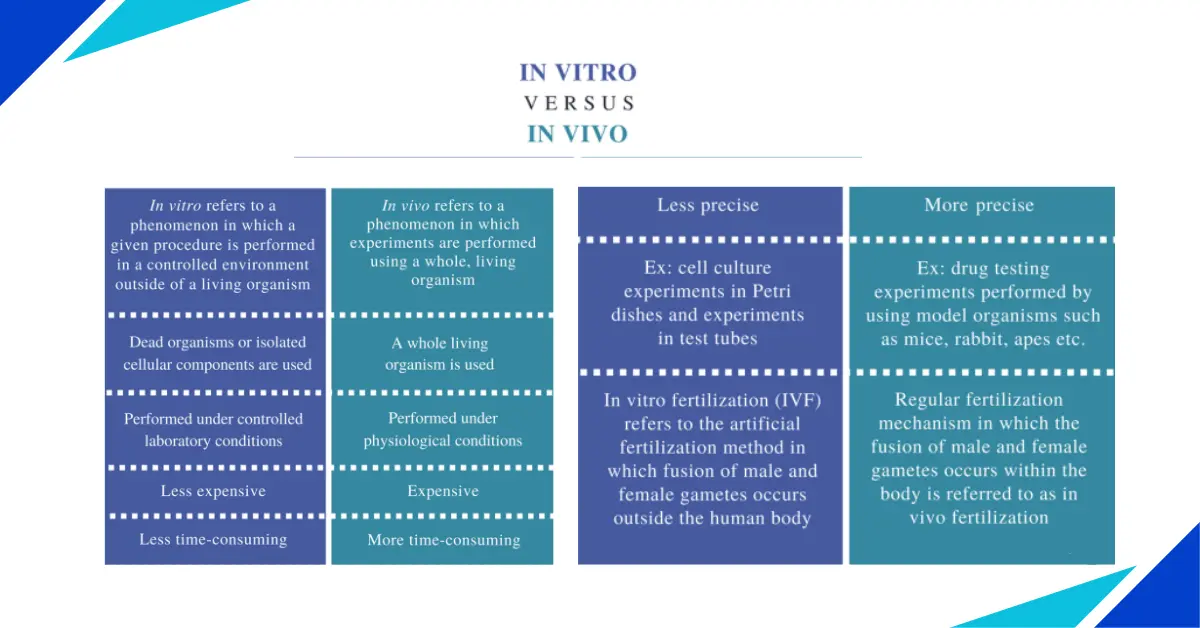
In-vitro research refers to experiments conducted outside of living organisms, typically in a controlled environment like petri dishes or test tubes. Common examples of in-vitro research materials include cell lines, tissues, biological samples, chemical reagents, and culture media. Maintaining the quality of these materials through proper storage and handling is essential for successful research outcomes.
In-Vivo Versus In-Vitro
Before diving into the specifics of in-vitro research, it’s important to distinguish between in-vivo versus in-vitro. While in-vivo research involves studying living organisms, in-vitro research involves analyzing biological samples or cells outside of their natural environment. In-vitro studies are commonly used to study cellular responses, drug interactions, and more, without the ethical concerns associated with living organisms.
Why Is Proper Storage and Handling Important?
Proper storage and handling are critical to maintaining the stability, purity, and functionality of in-vitro materials. Improper storage can lead to:
By adhering to proper protocols, you can avoid these issues and ensure the reliability and reproducibility of your experiments.
Best Practices for Storing In-Vitro Research Materials
1. Temperature Control
Temperature plays a vital role in preserving the integrity of research materials. Most biological materials, such as cell lines and tissue cultures, require precise temperature conditions:
2. Humidity and Airflow Control
Maintaining the right humidity and airflow is crucial, especially for samples that can be sensitive to moisture and air exposure. For example:
Always ensure that laboratories have adequate ventilation and that air circulation is not too harsh to prevent dehydration or contamination.
3. Light Sensitivity
Some in-vitro research materials, such as certain chemicals or biological samples, are sensitive to light and should be stored in dark conditions. Use amber-colored bottles or store these materials in dark cupboards to avoid degradation due to light exposure.
4. Separation and Labeling
Proper separation and labeling of materials are essential for preventing cross-contamination and confusion:
How to Handle In-Vitro Research Materials
1. Proper Handling of Cell Cultures
When working with cell cultures, handling is of utmost importance to maintain viability:
2. Handling Biological Samples
Biological samples, like blood or tissue cultures, should be handled with great care:
3. Safe Handling of Reagents and Chemicals
Handling research chemicals and reagents requires adherence to safety protocols:
Best Practices for Handling Contaminated Materials
If any in-vitro research materials become contaminated or compromised, follow these steps:
Conclusion
Proper storage and handling of in-vitro research materials are key to ensuring successful and safe experiments. By following the recommended protocols for temperature, humidity, labeling, and handling, you can maintain the integrity of your materials and ensure that your research outcomes are reliable and reproducible.
Whether you’re dealing with cell cultures, biological samples, or research chemicals, adhering to best practices in storage and handling will significantly contribute to the success of your experiments.